Where Ruins Bloom: Imereti’s Living Decay
Tskaltubo, Imereti, Georgia

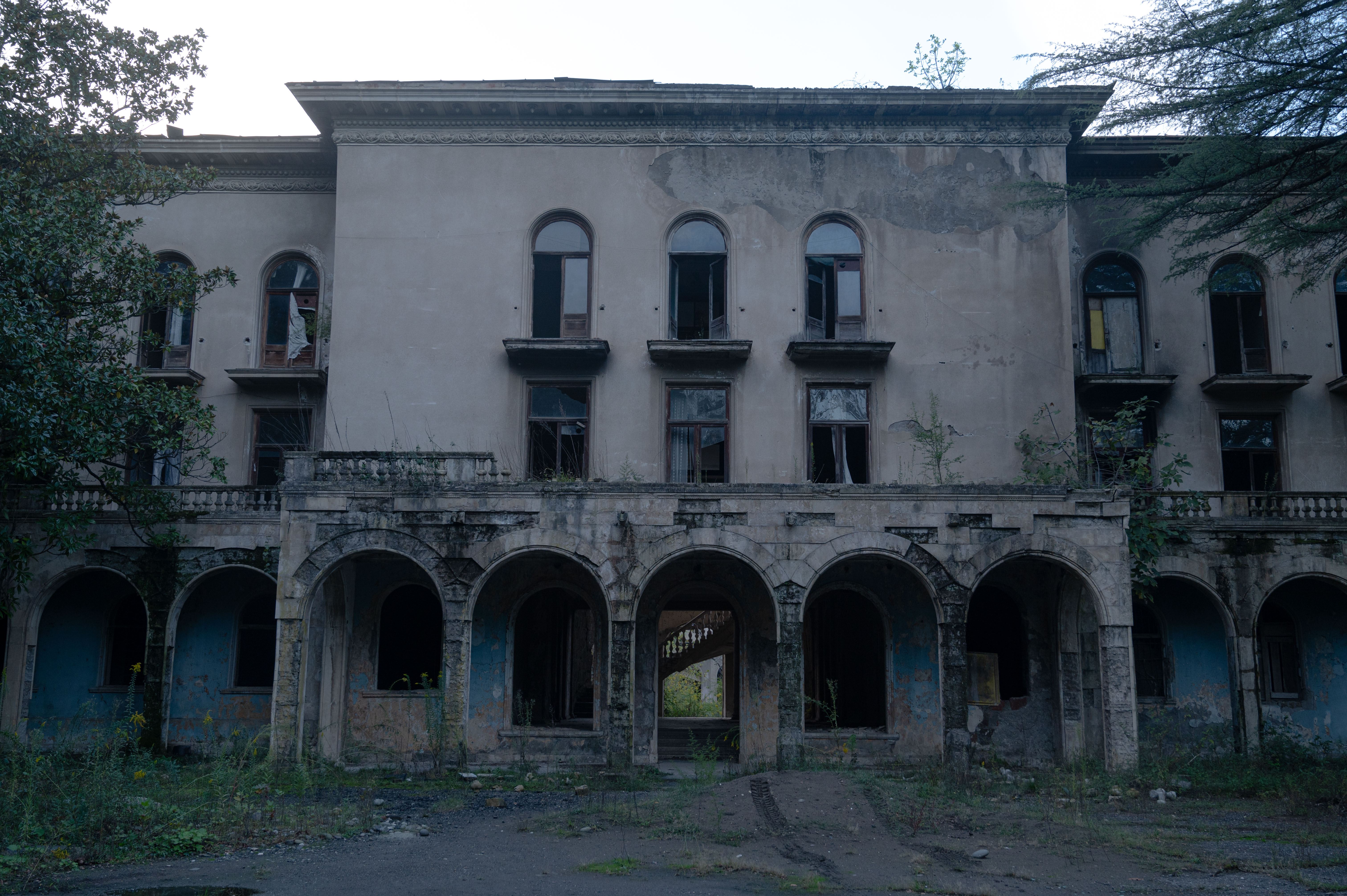
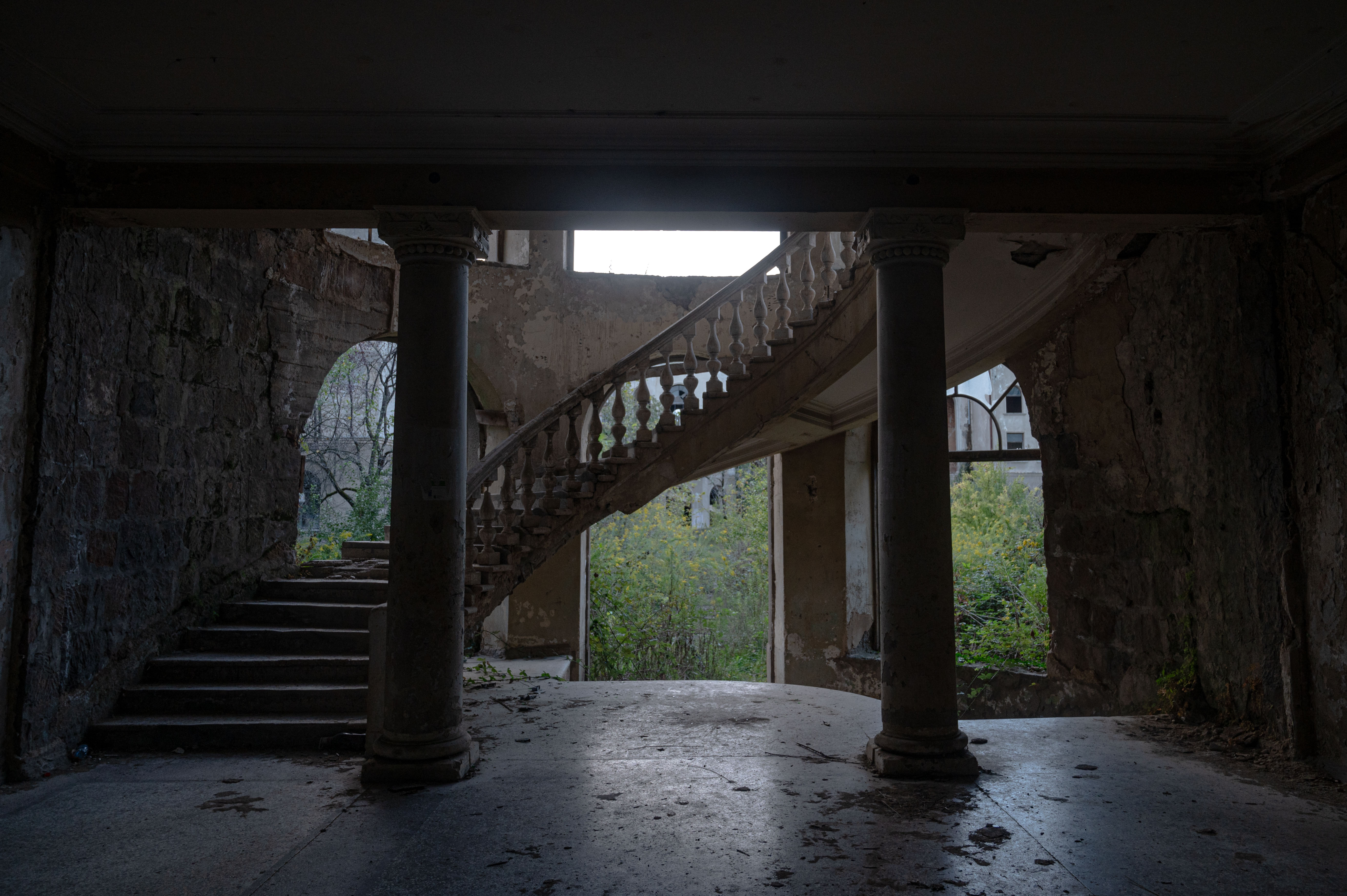
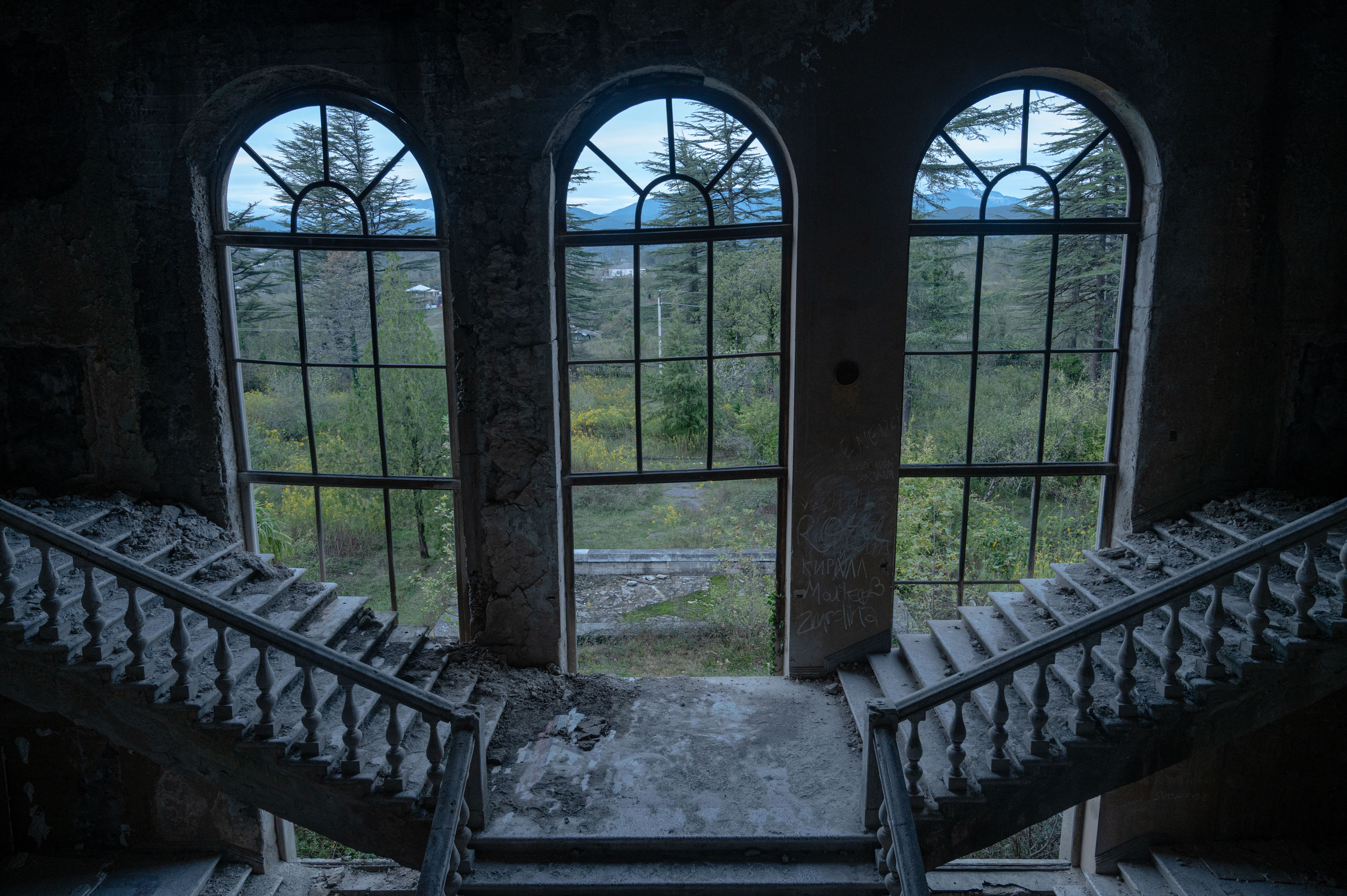
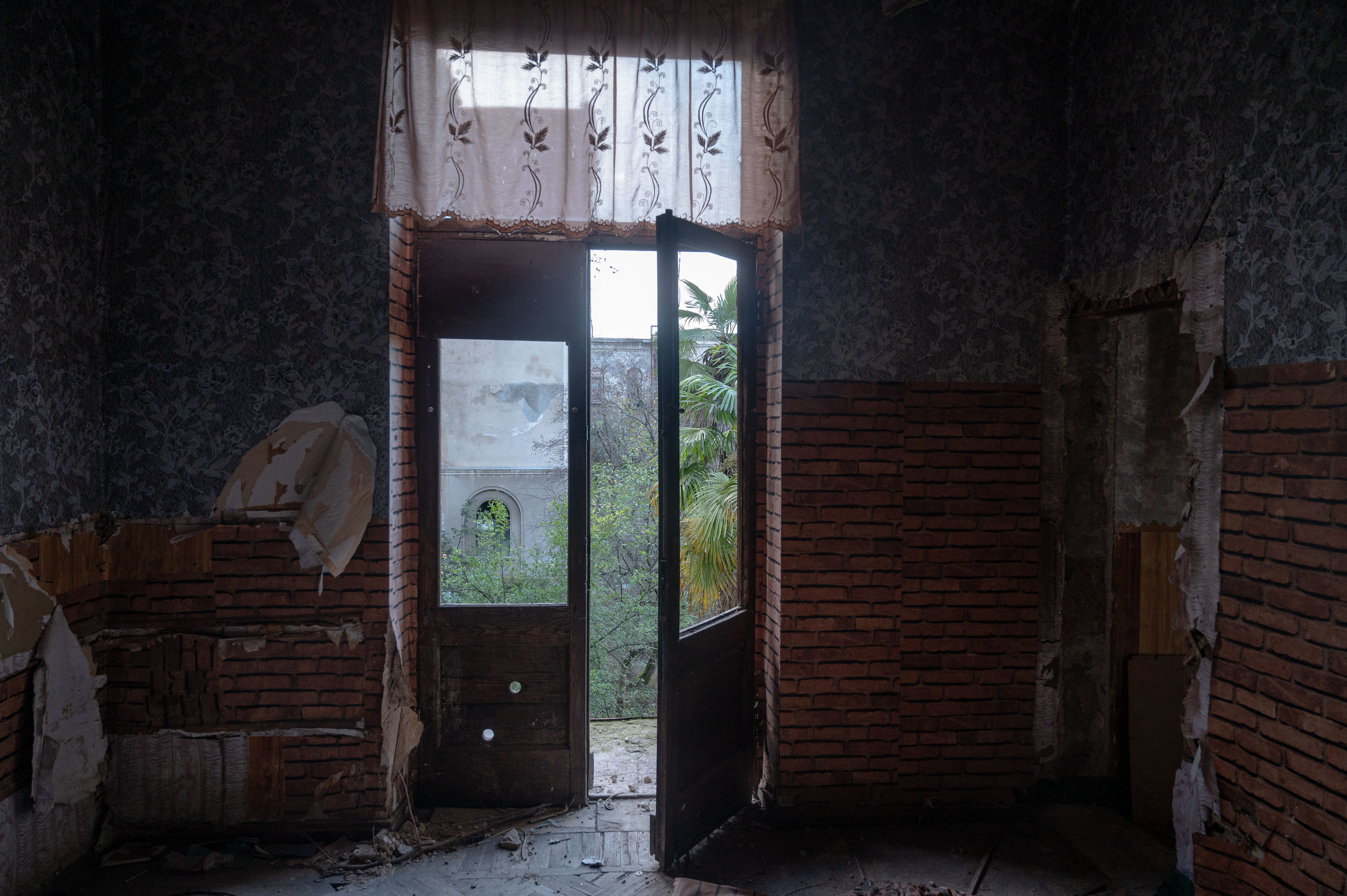
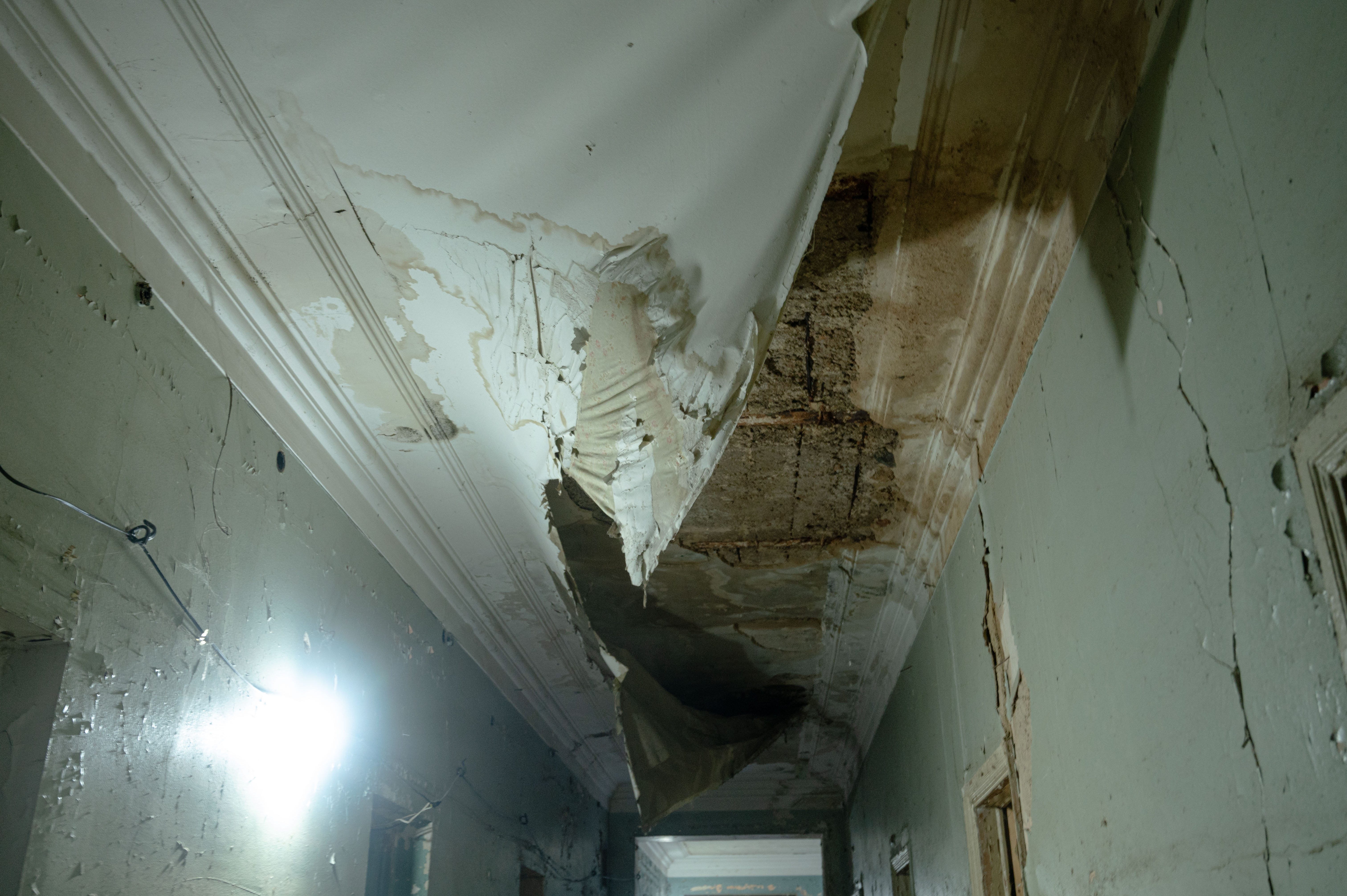
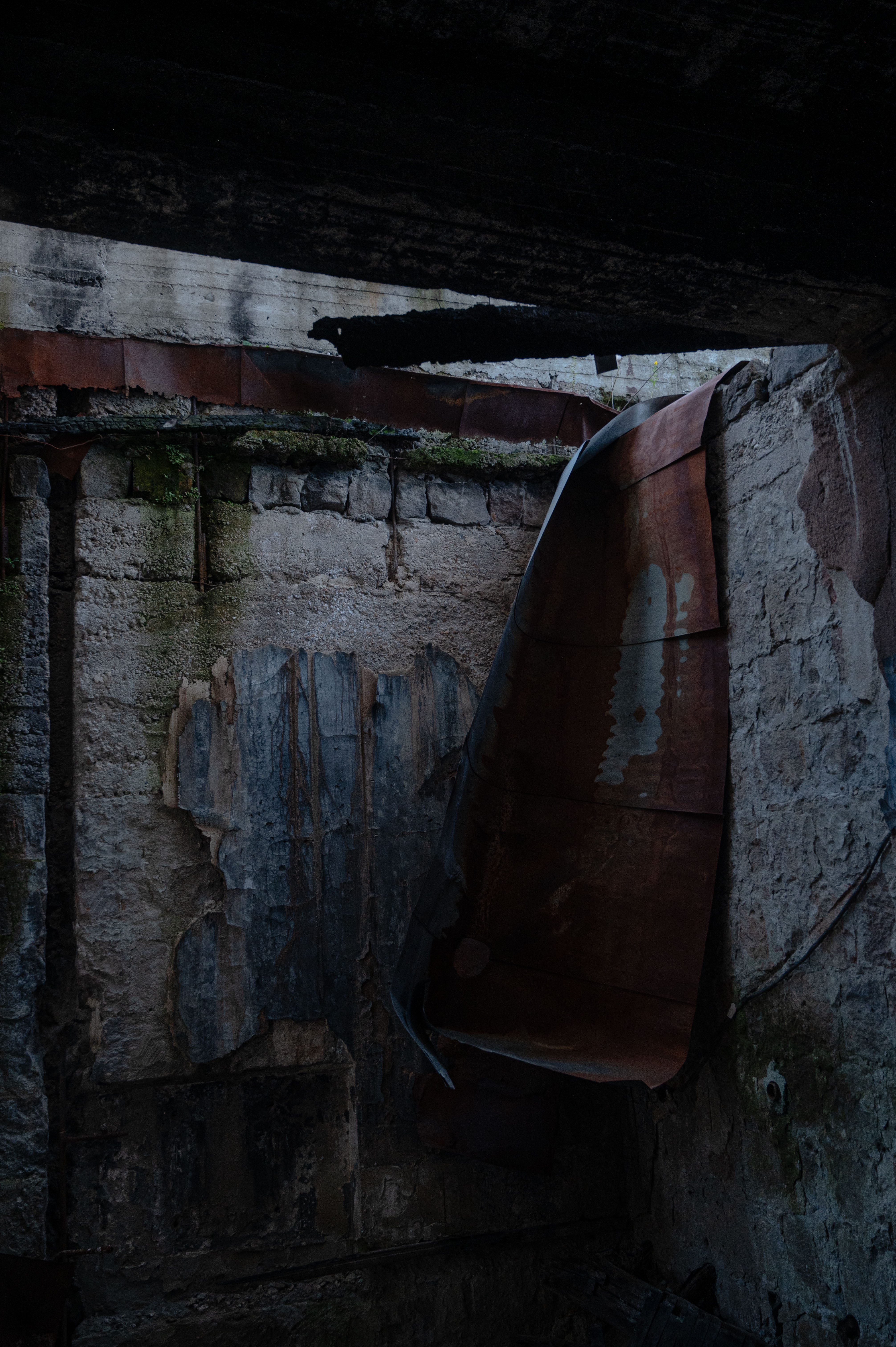
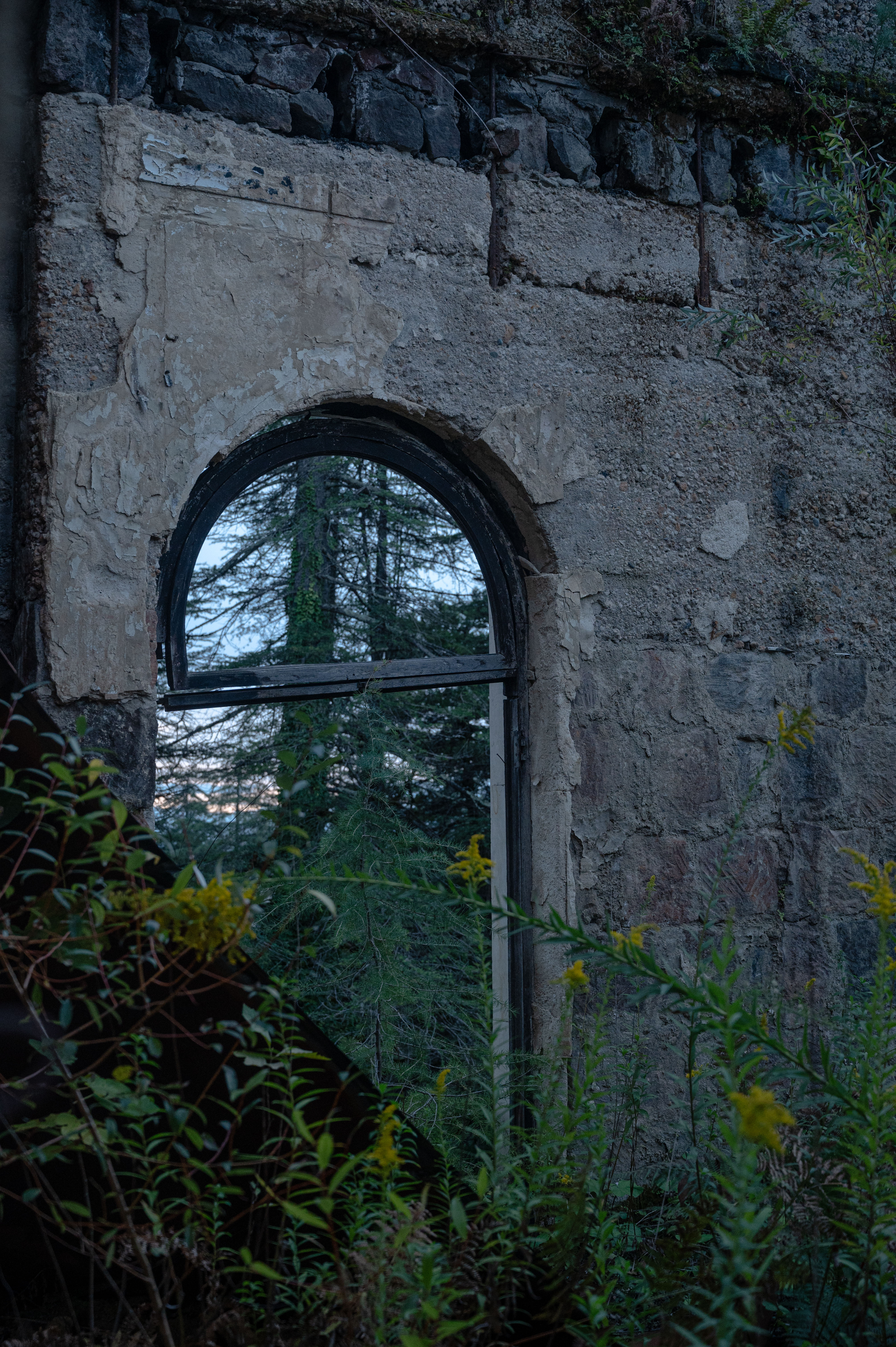
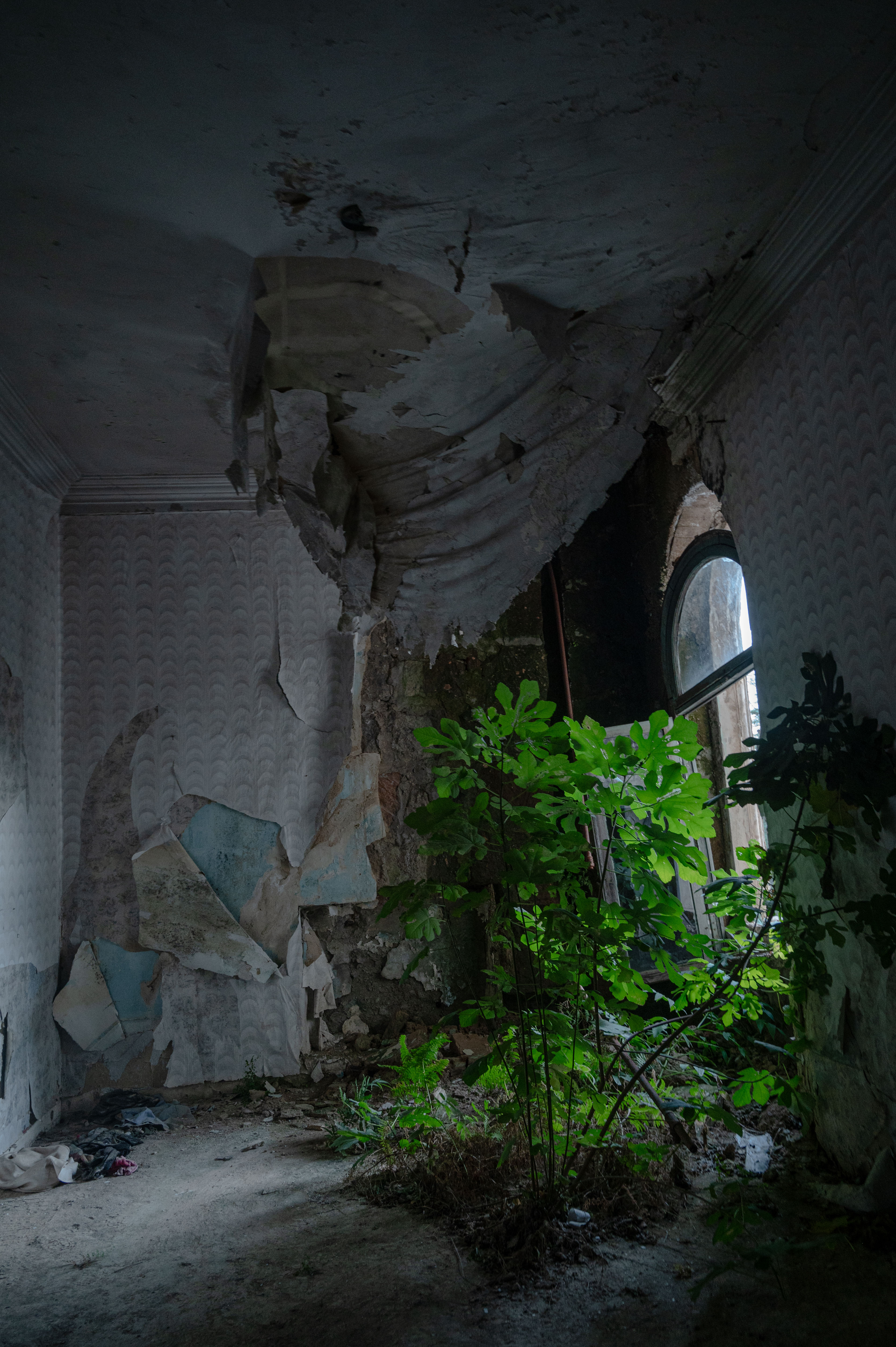
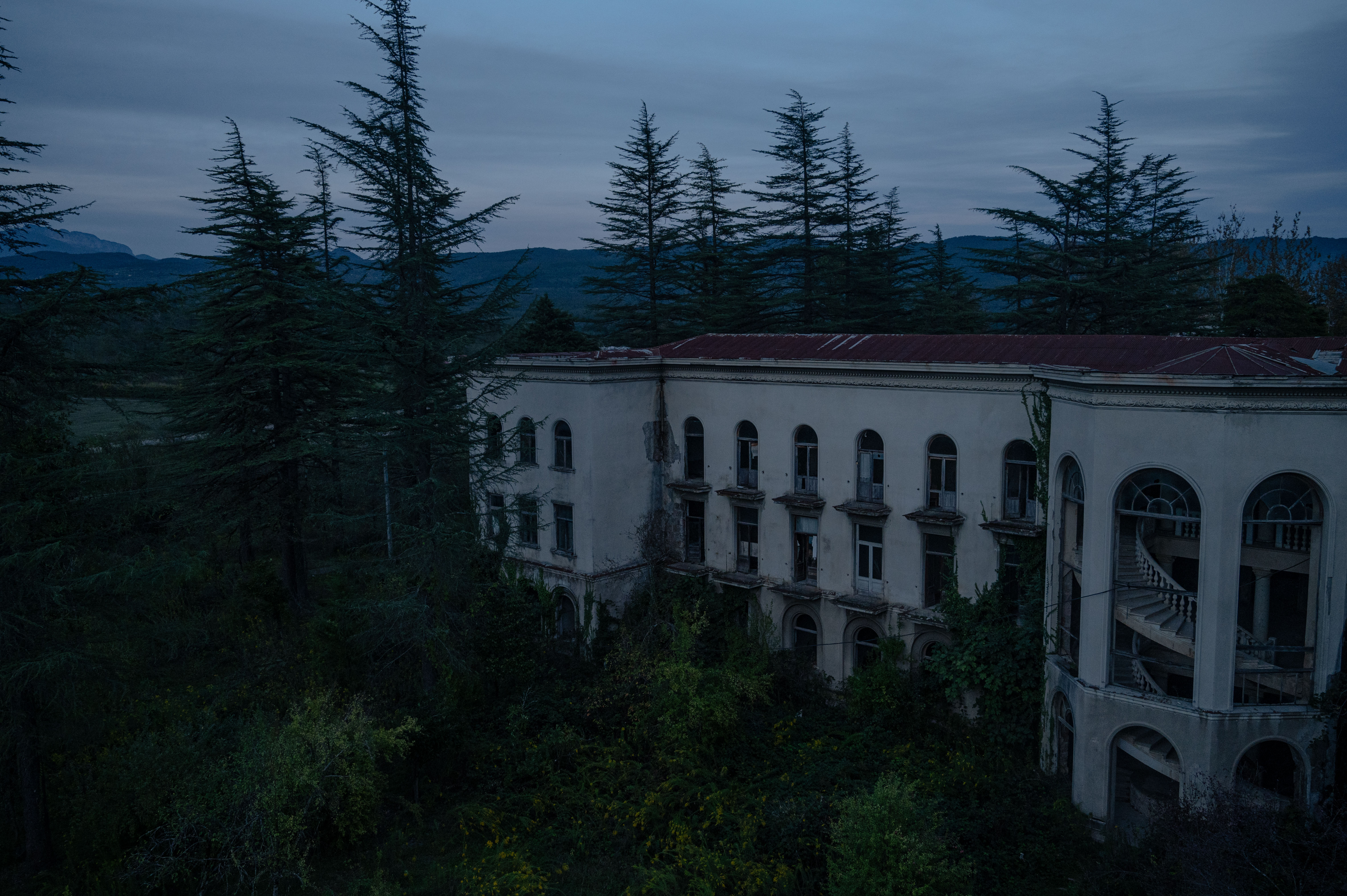
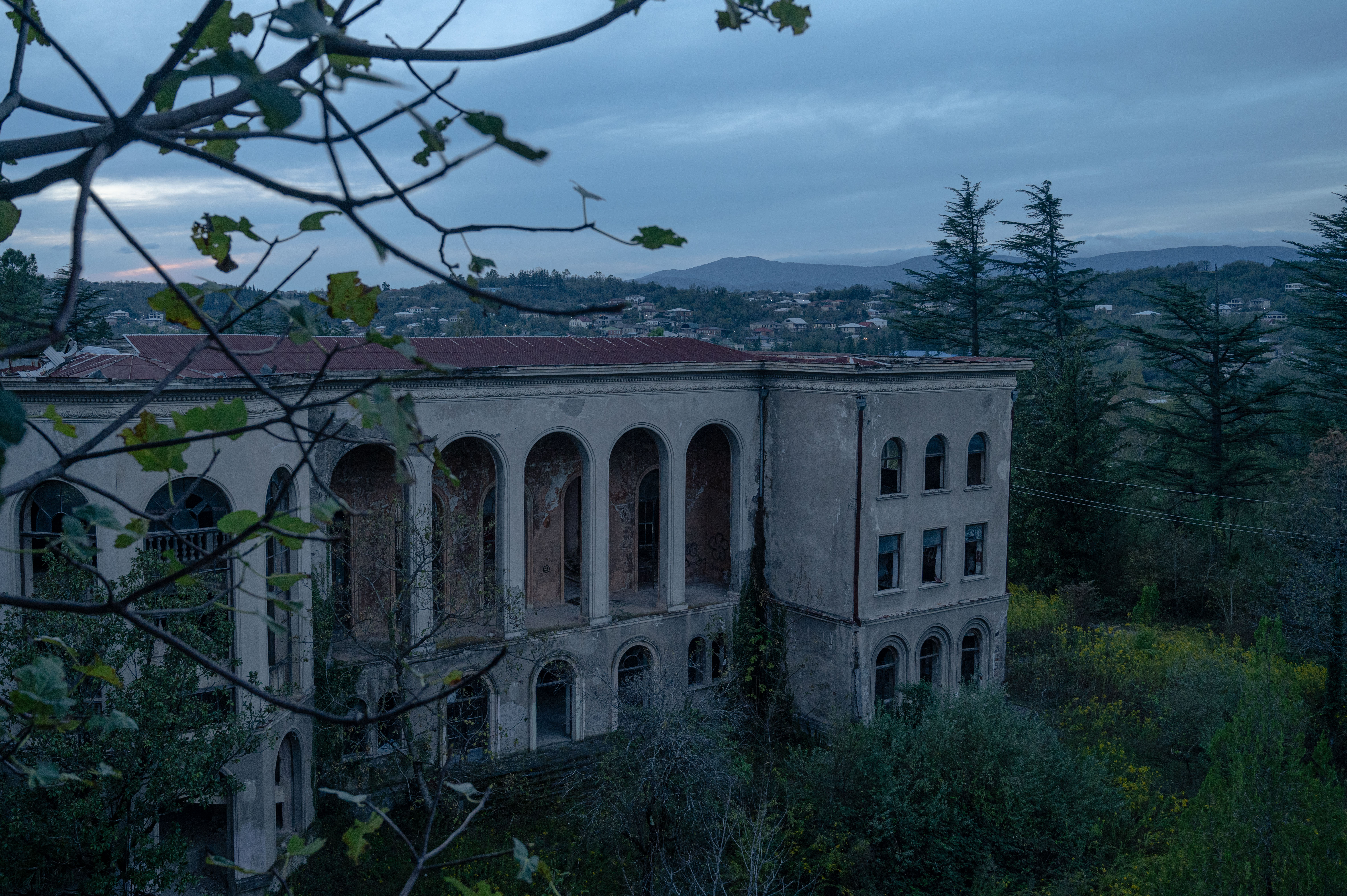
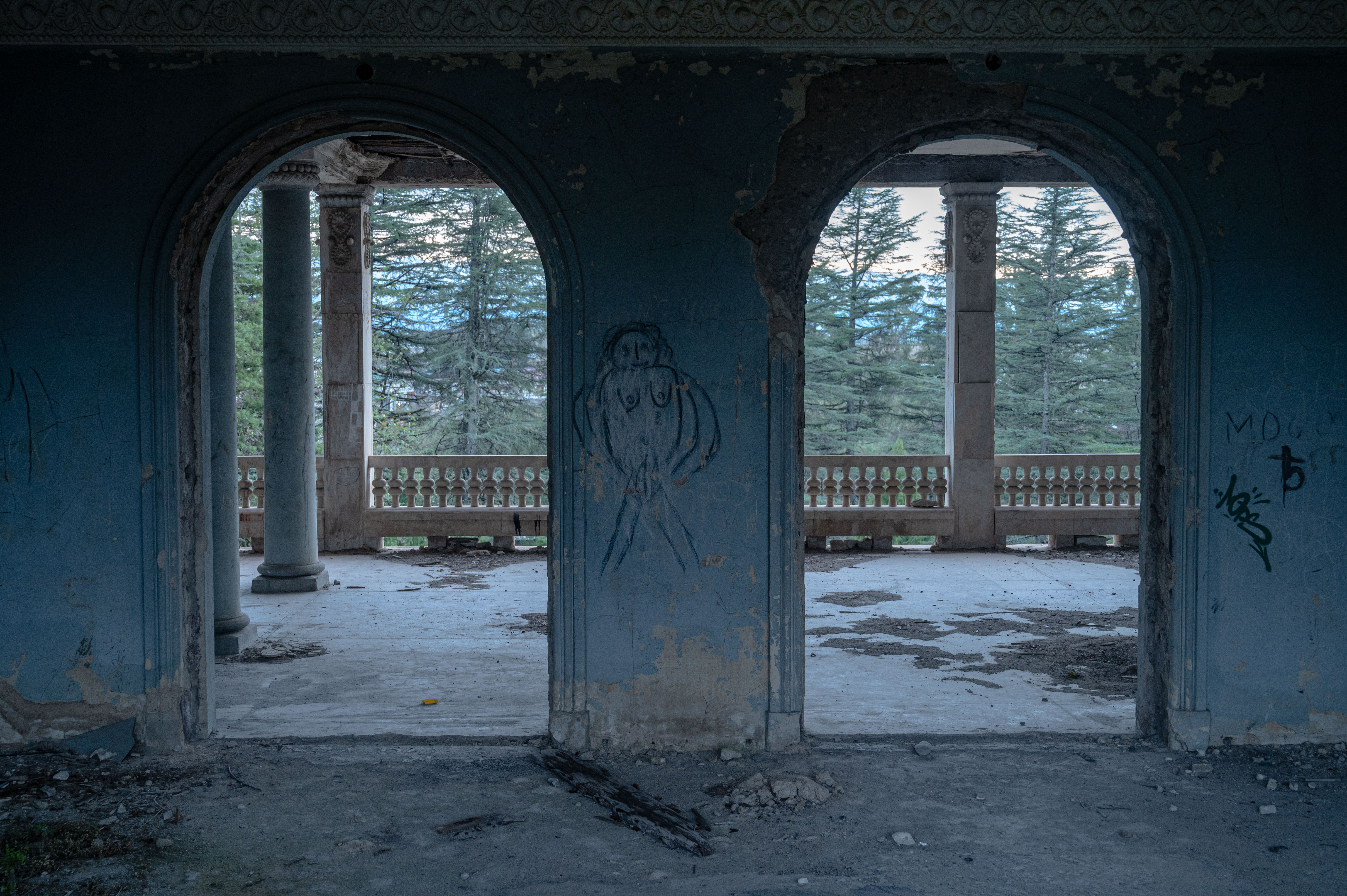
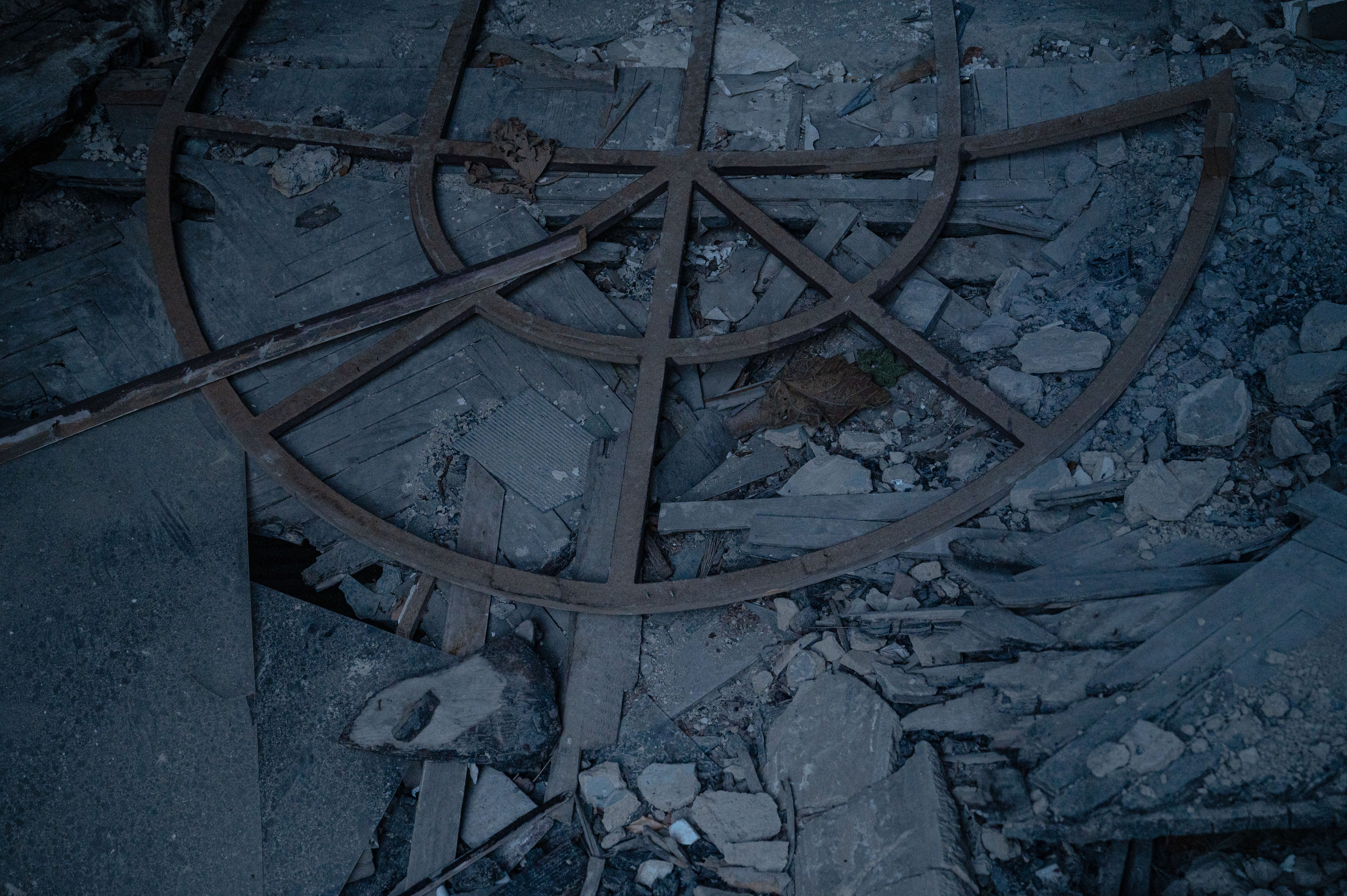
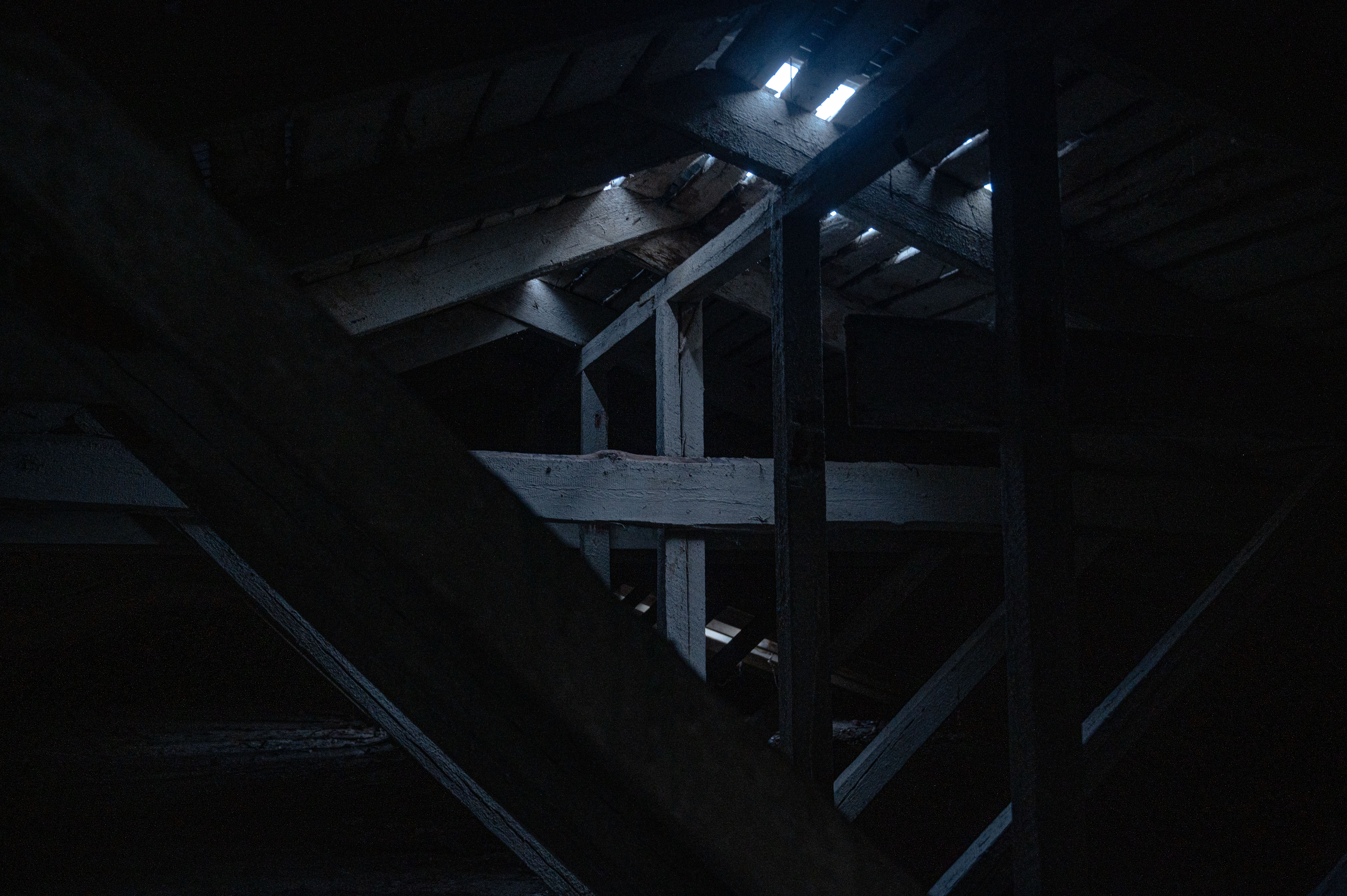
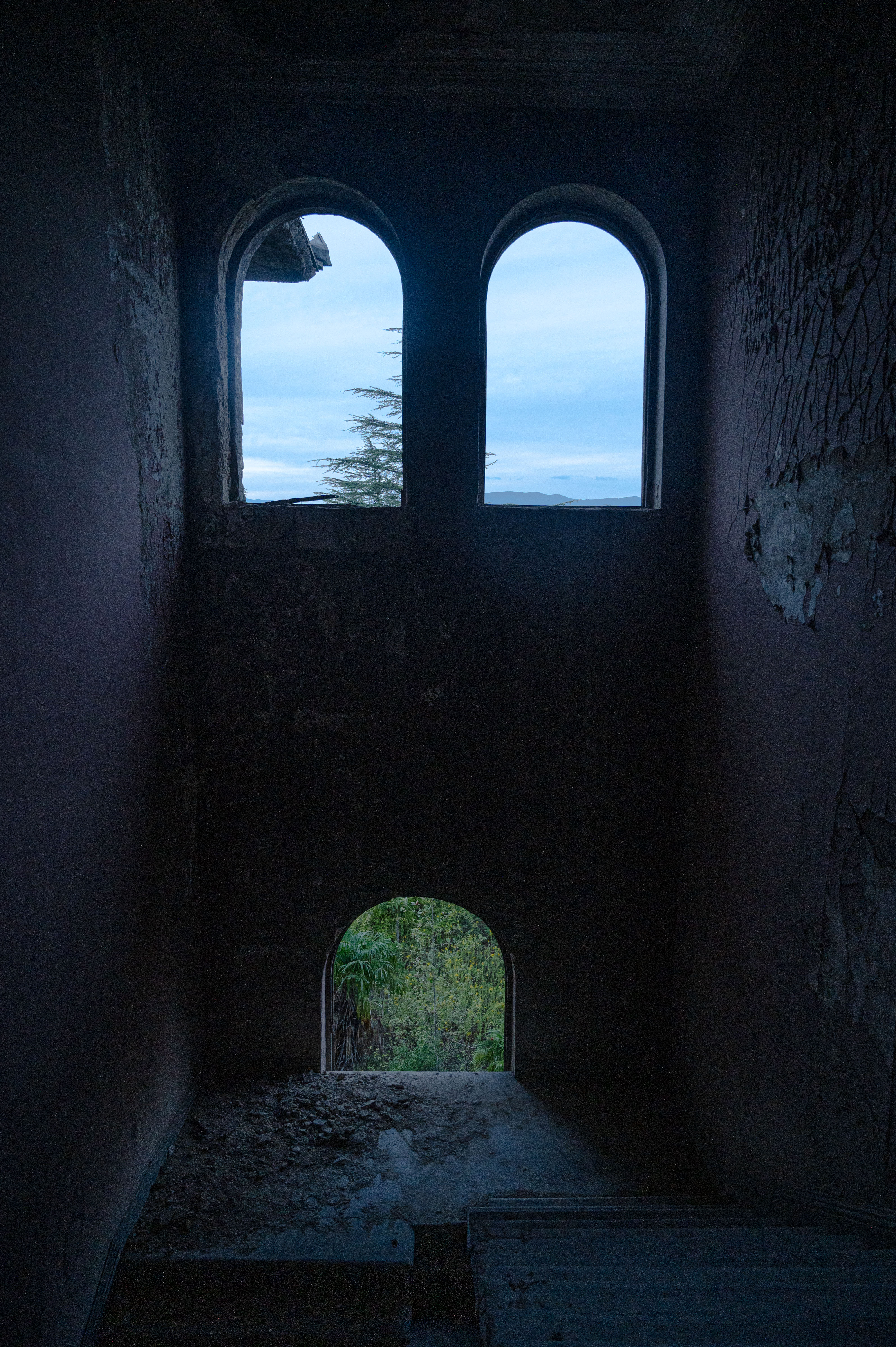
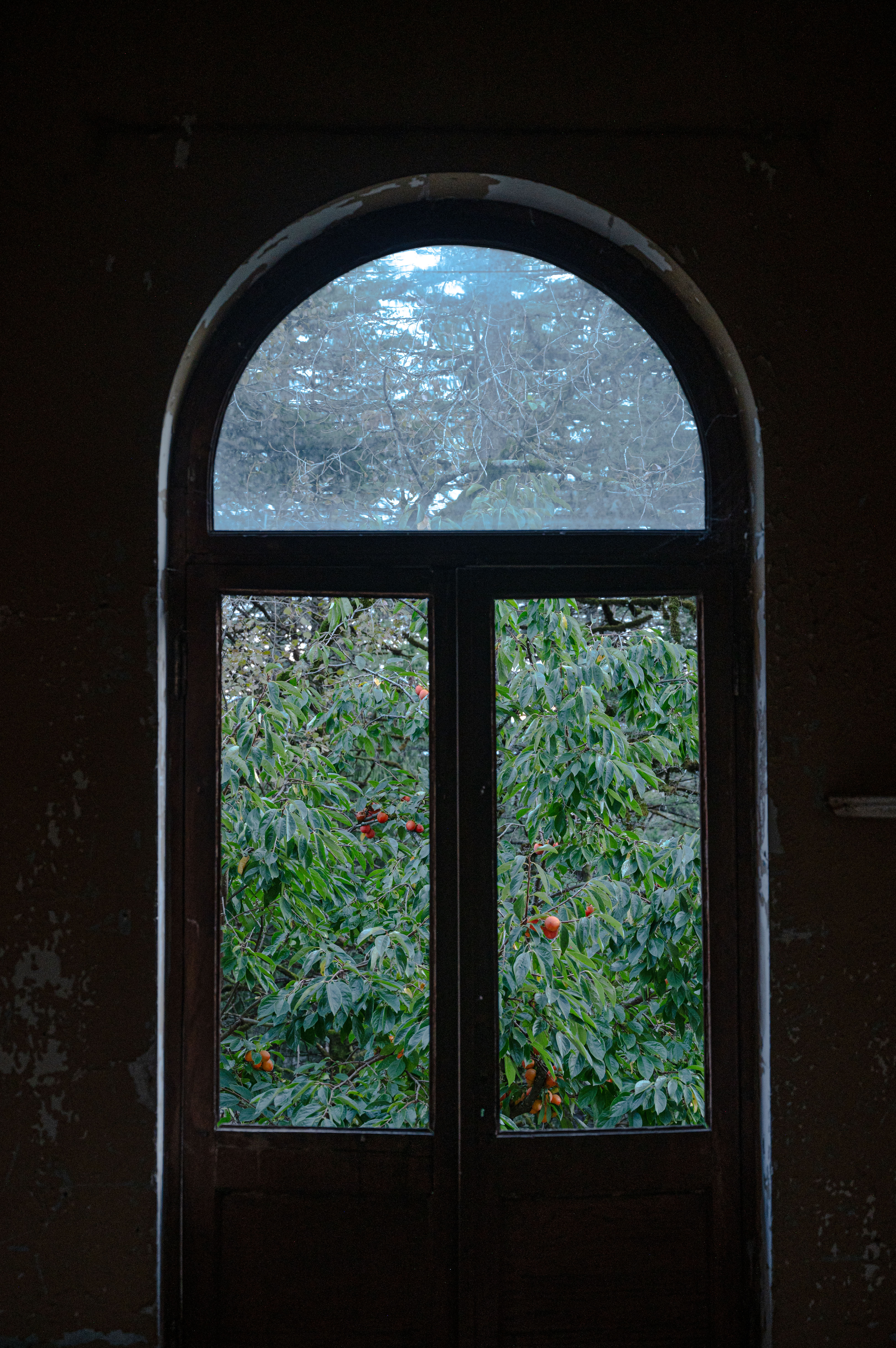
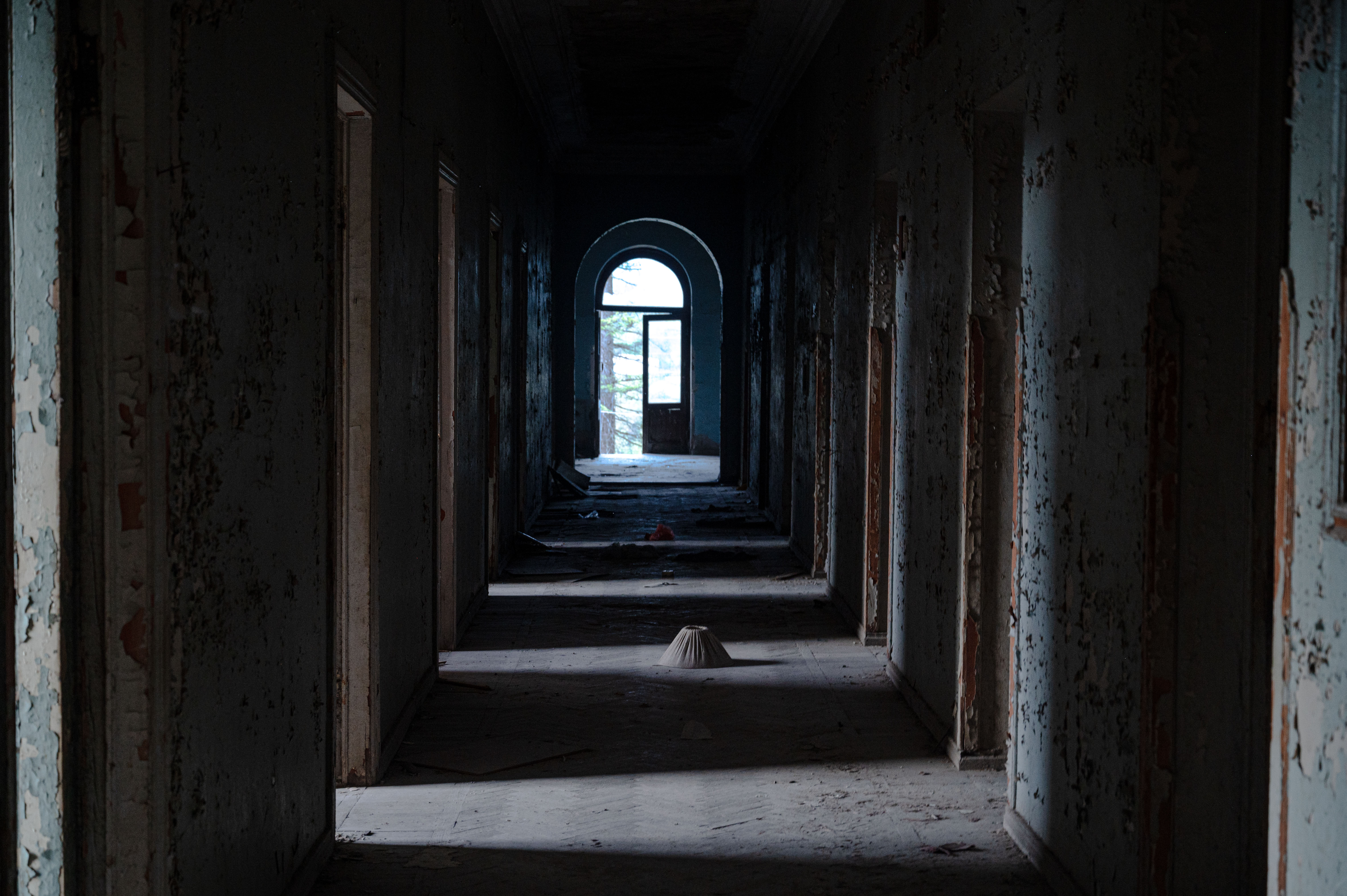
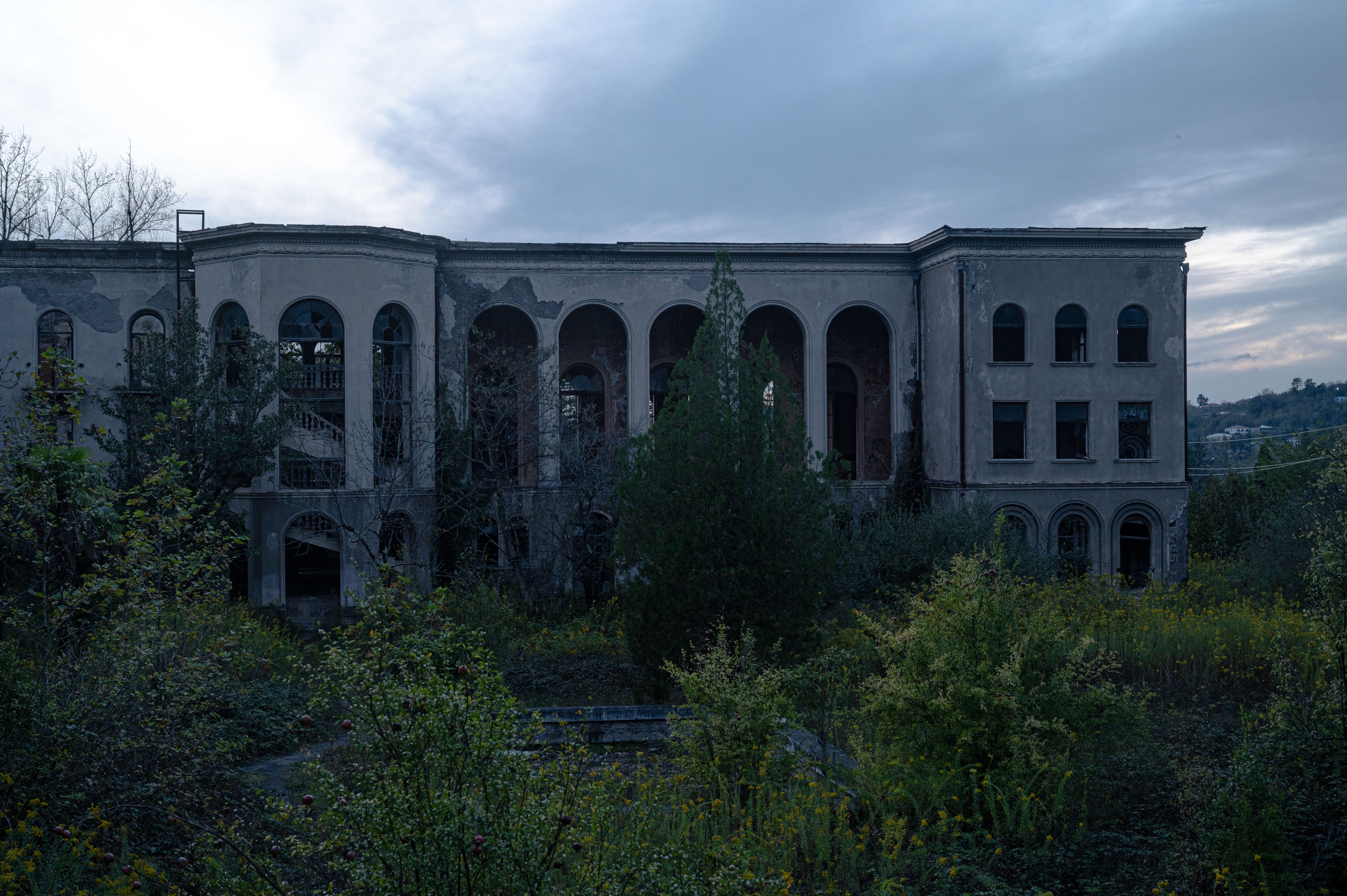
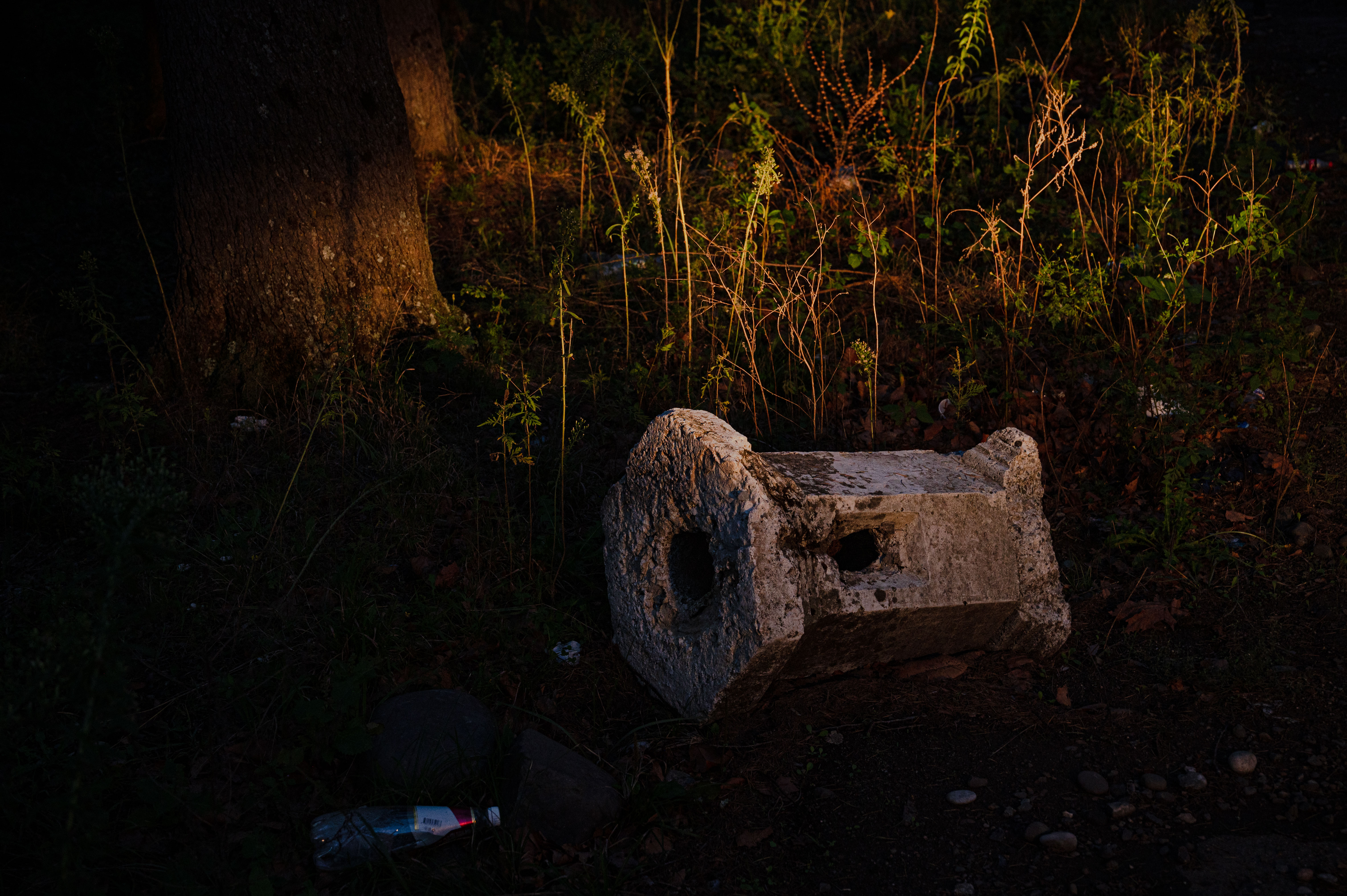
Time moves differently in Tskaltubo. Among the skeletal remains of Sanatorium Imereti, nature has quietly staged its own revival. Vines climb over shattered windows, ivy trails through broken halls, and moss carpets the cracked tiles of rooms that once echoed with the laughter of holidaymakers and the murmurs of healing rituals. It is as if the earth, unhurried and deliberate, is reclaiming what was once hers, creating a surreal harmony of verdant life against the muted decay of concrete and steel.
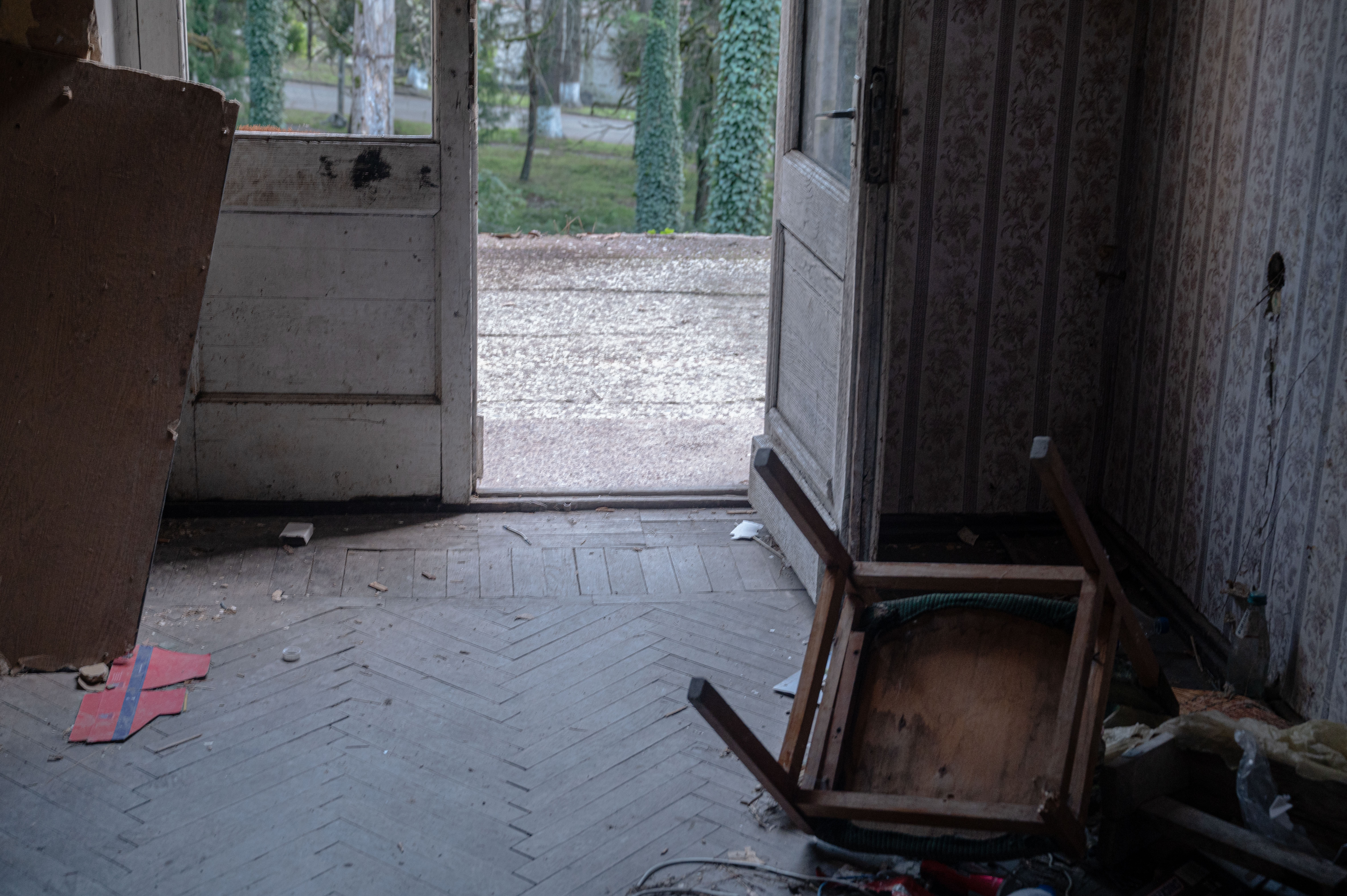
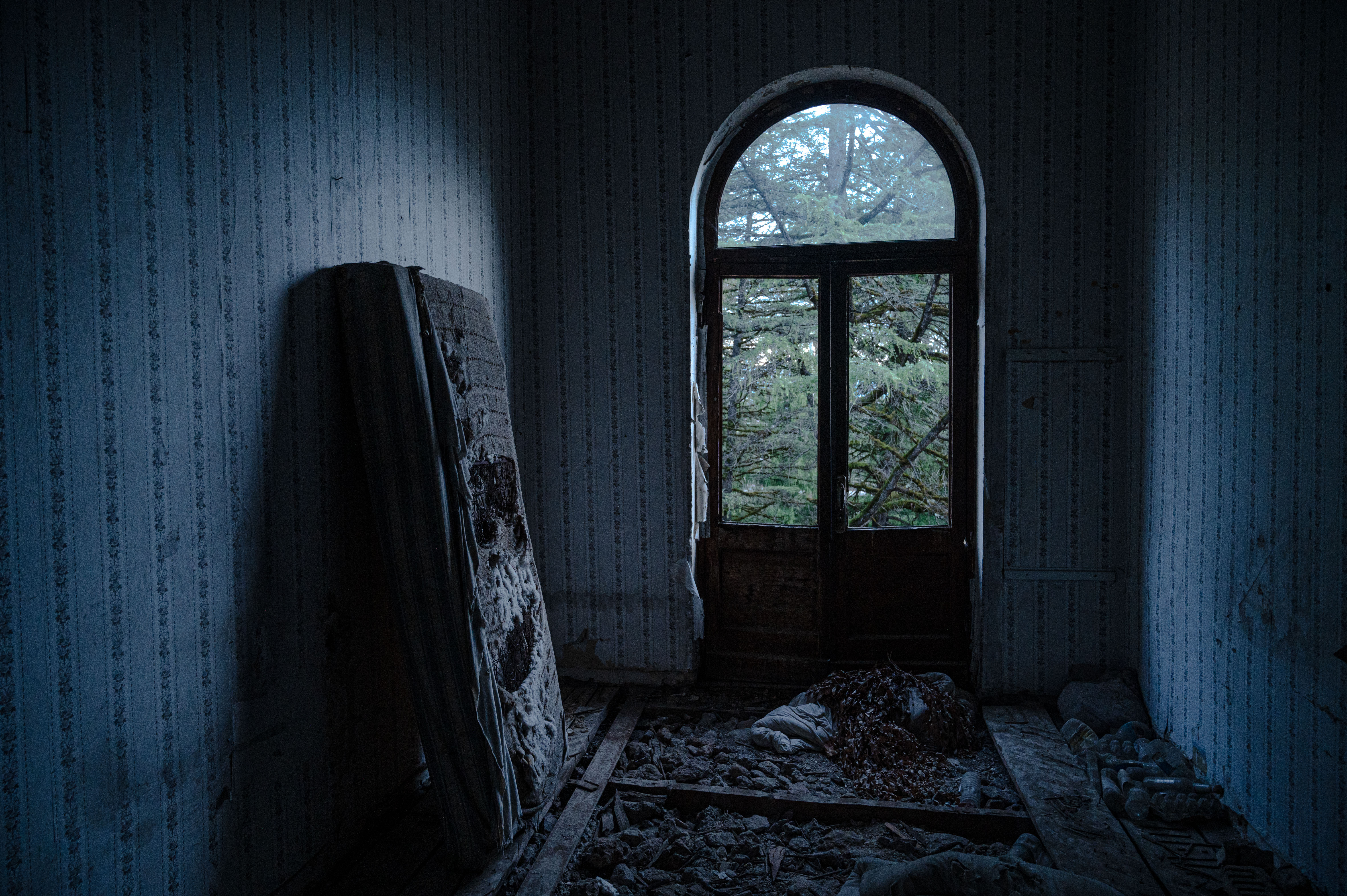
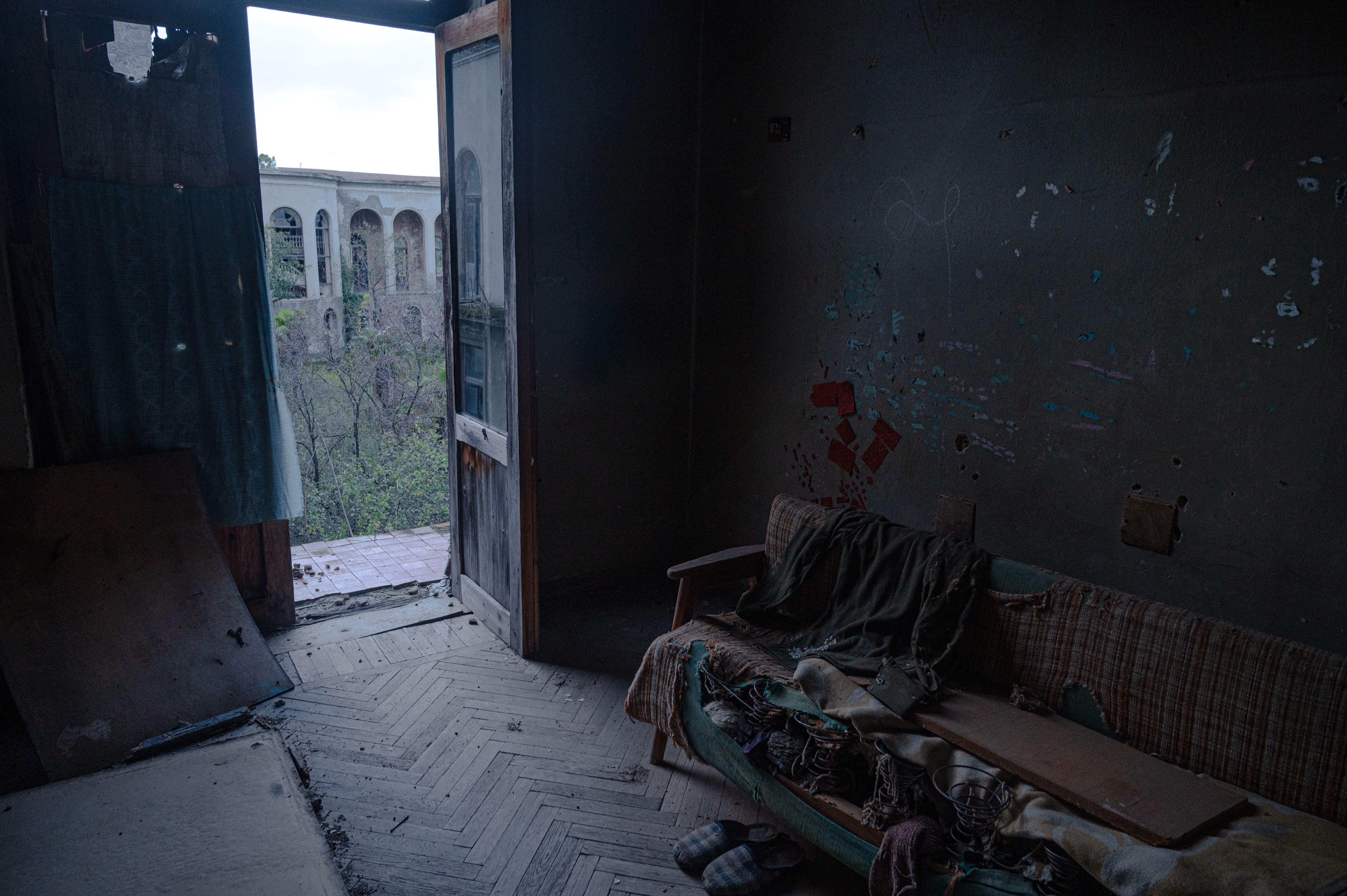
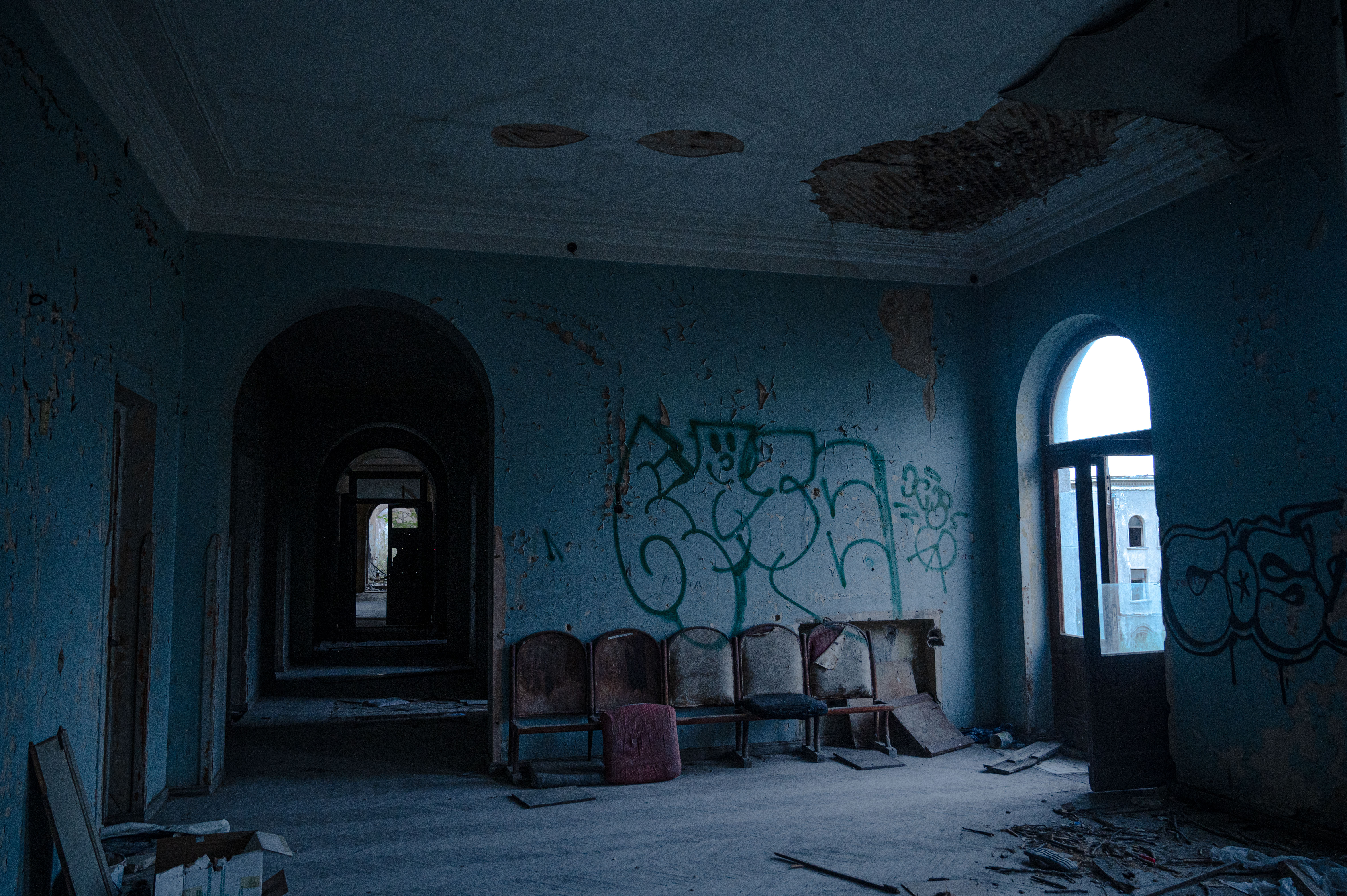
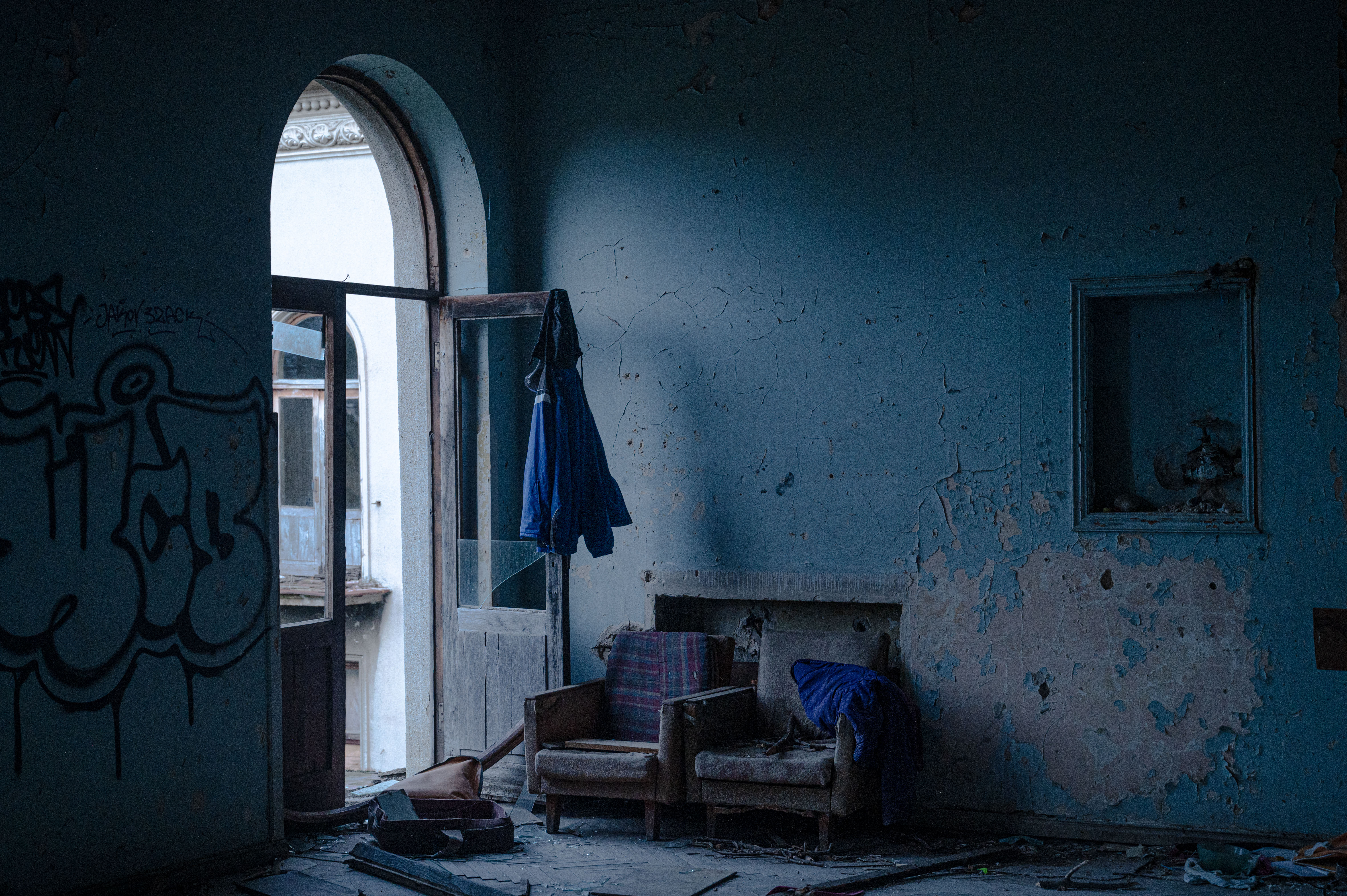
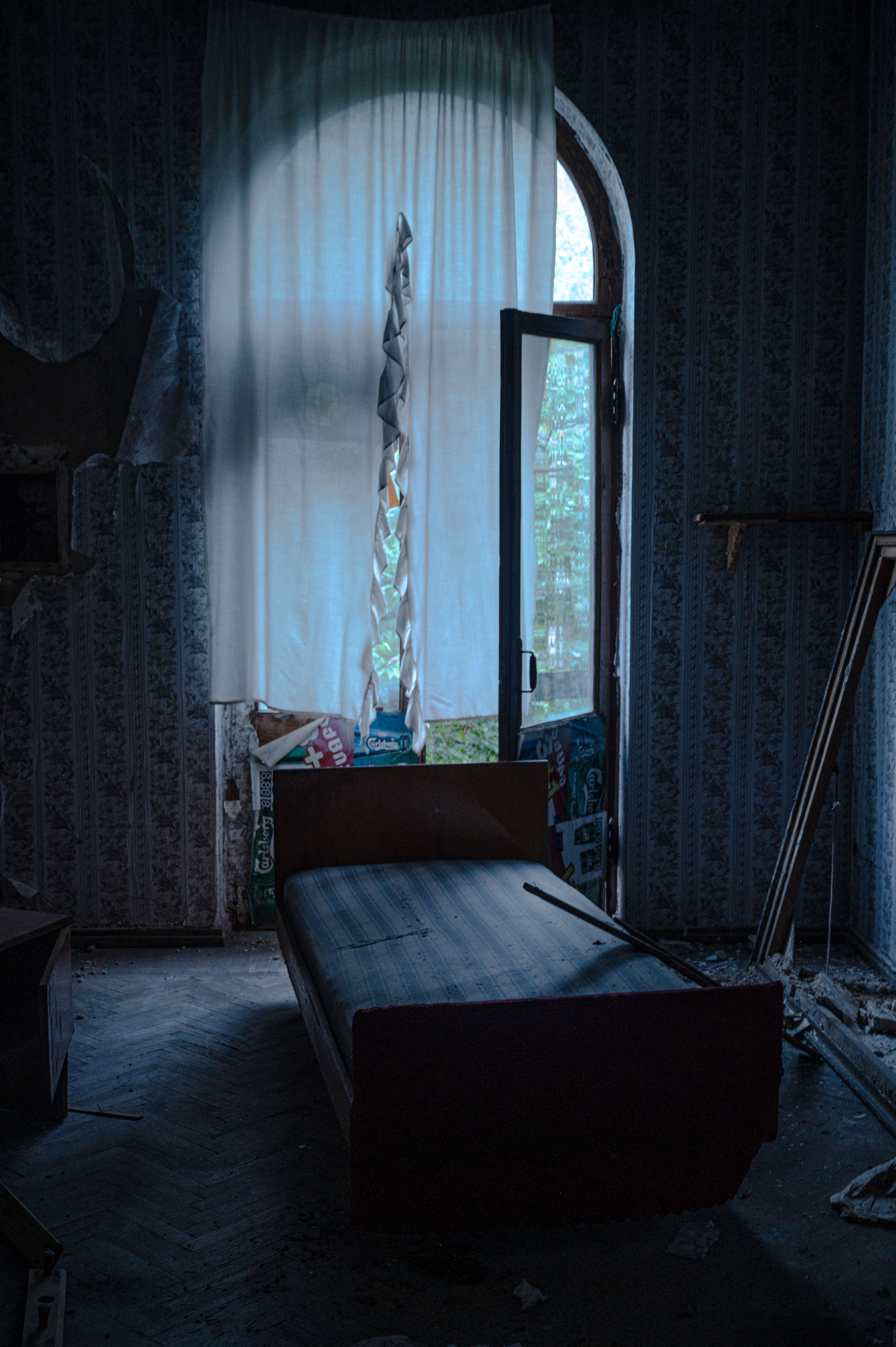
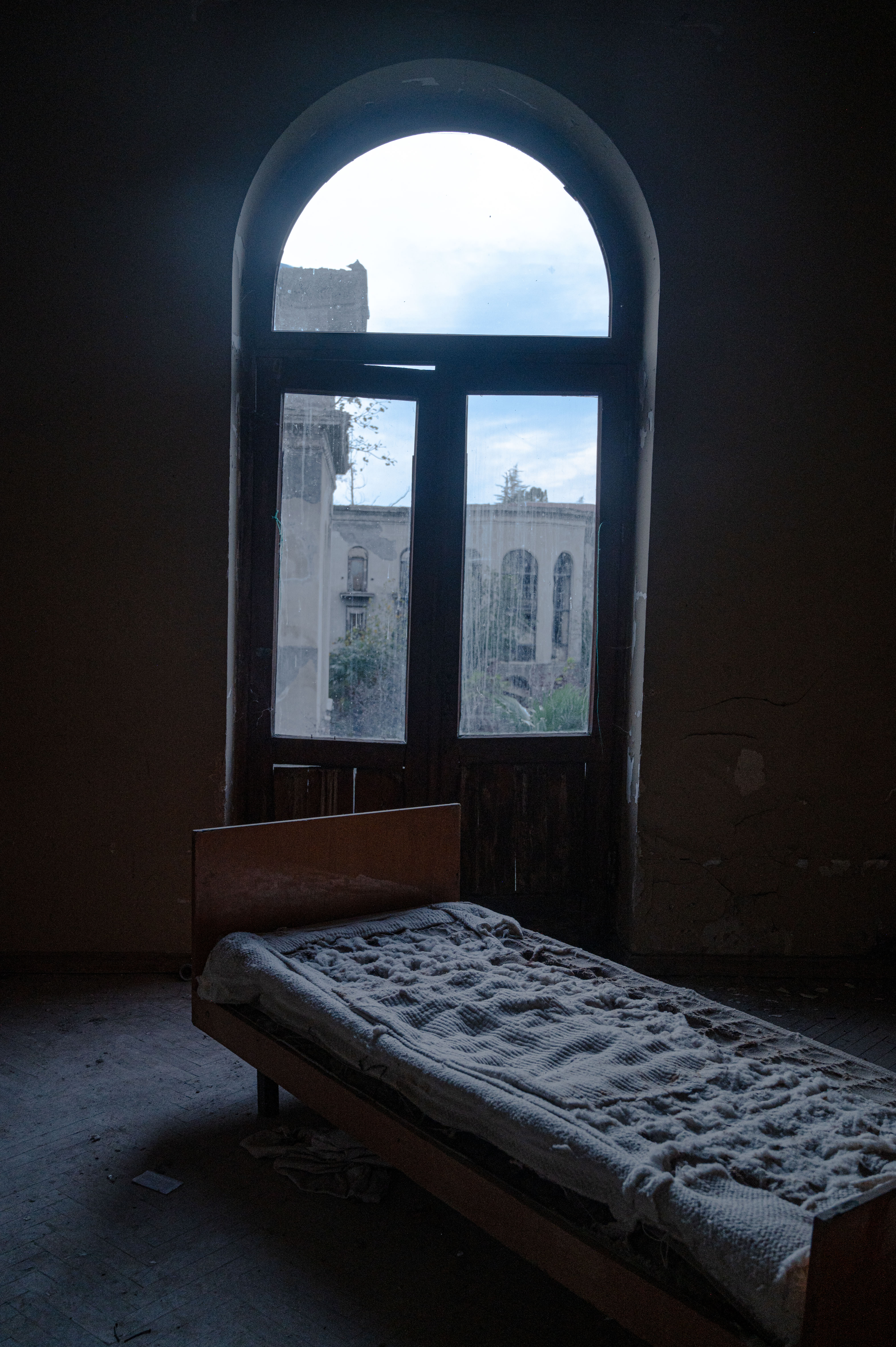
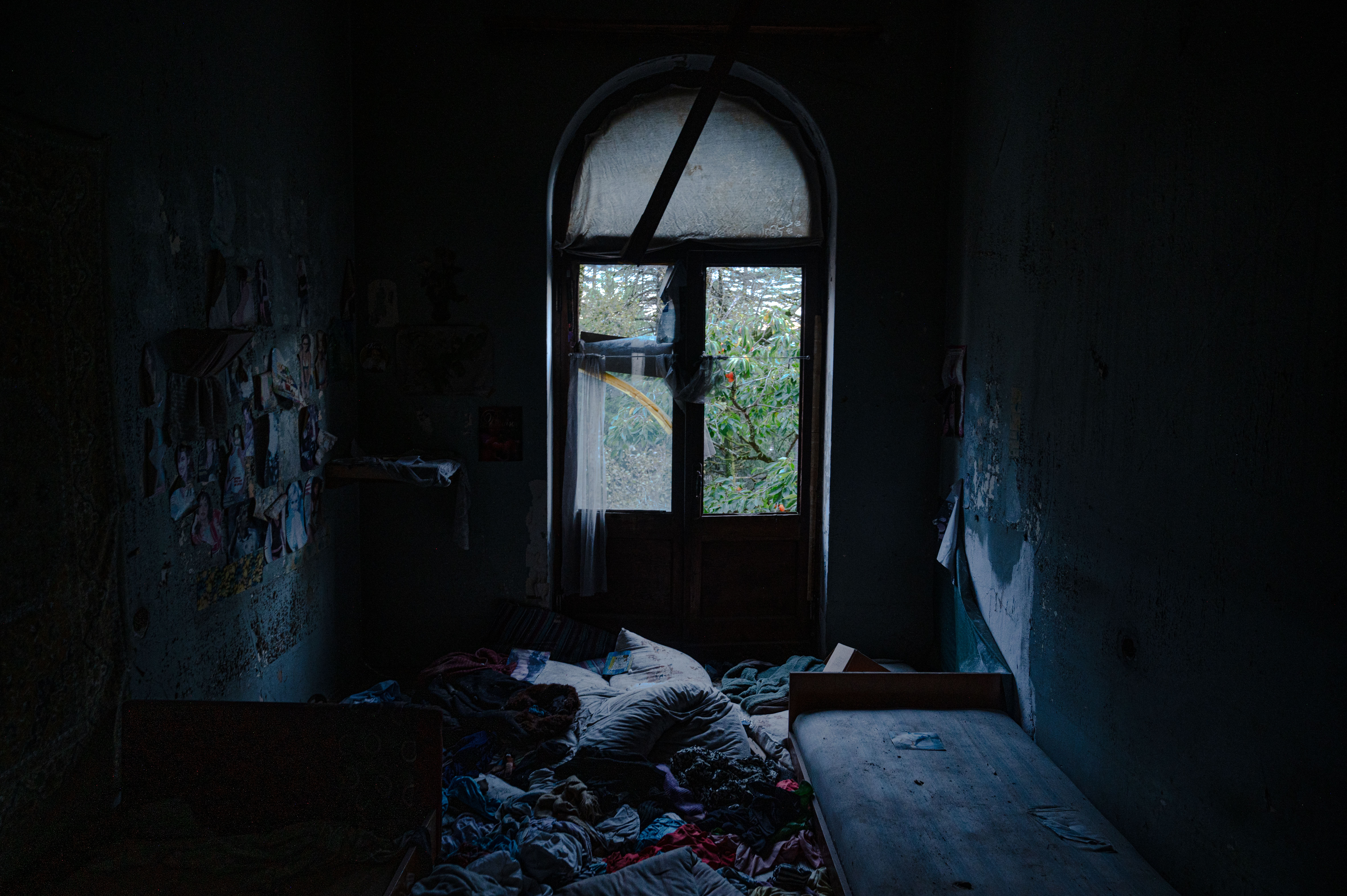
As I walked through these ruins, the past seemed alive in the smallest details. A rusted bed frame tilted against a wall; chairs lay overturned as if their occupants left in a hurry, never to return. On one wall, graffiti shouted silent messages, while another bore a sun-bleached poster of Julia Roberts, her gaze a wistful reminder of lives lived within these hollowed-out spaces.
The personal histories embedded in these walls are as haunting as the spaces themselves. Decades ago, these corridors bustled with Soviet spa-goers seeking rejuvenation from the mineral-rich waters, arriving by train from across the USSR. Later, they became a refuge for families fleeing wars in Abkhazia and South Ossetia. Here, life persisted even in the shadows of loss, with washing lines strung across balconies and the aroma of khachapuri wafting through crumbling doorways.
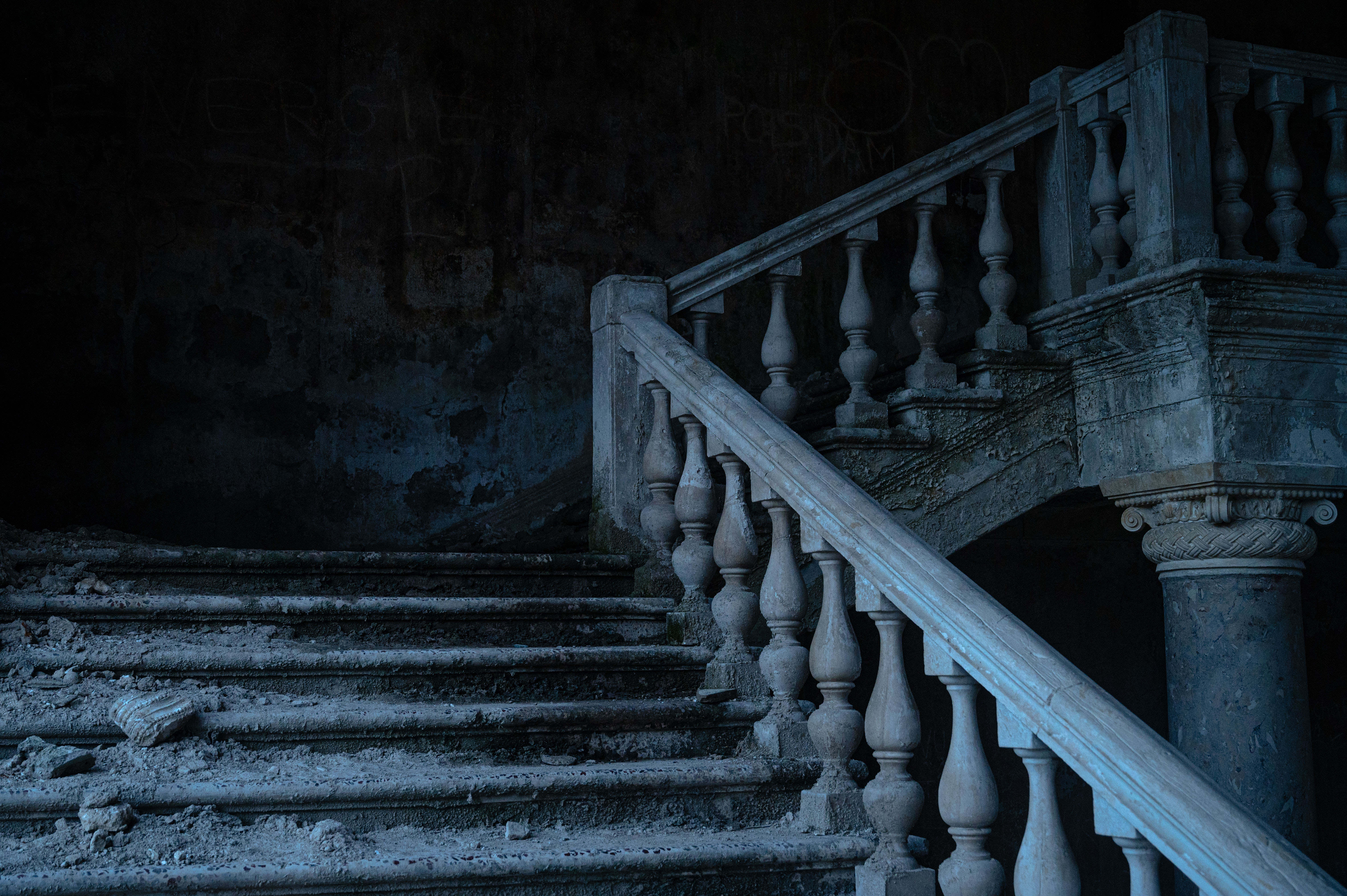
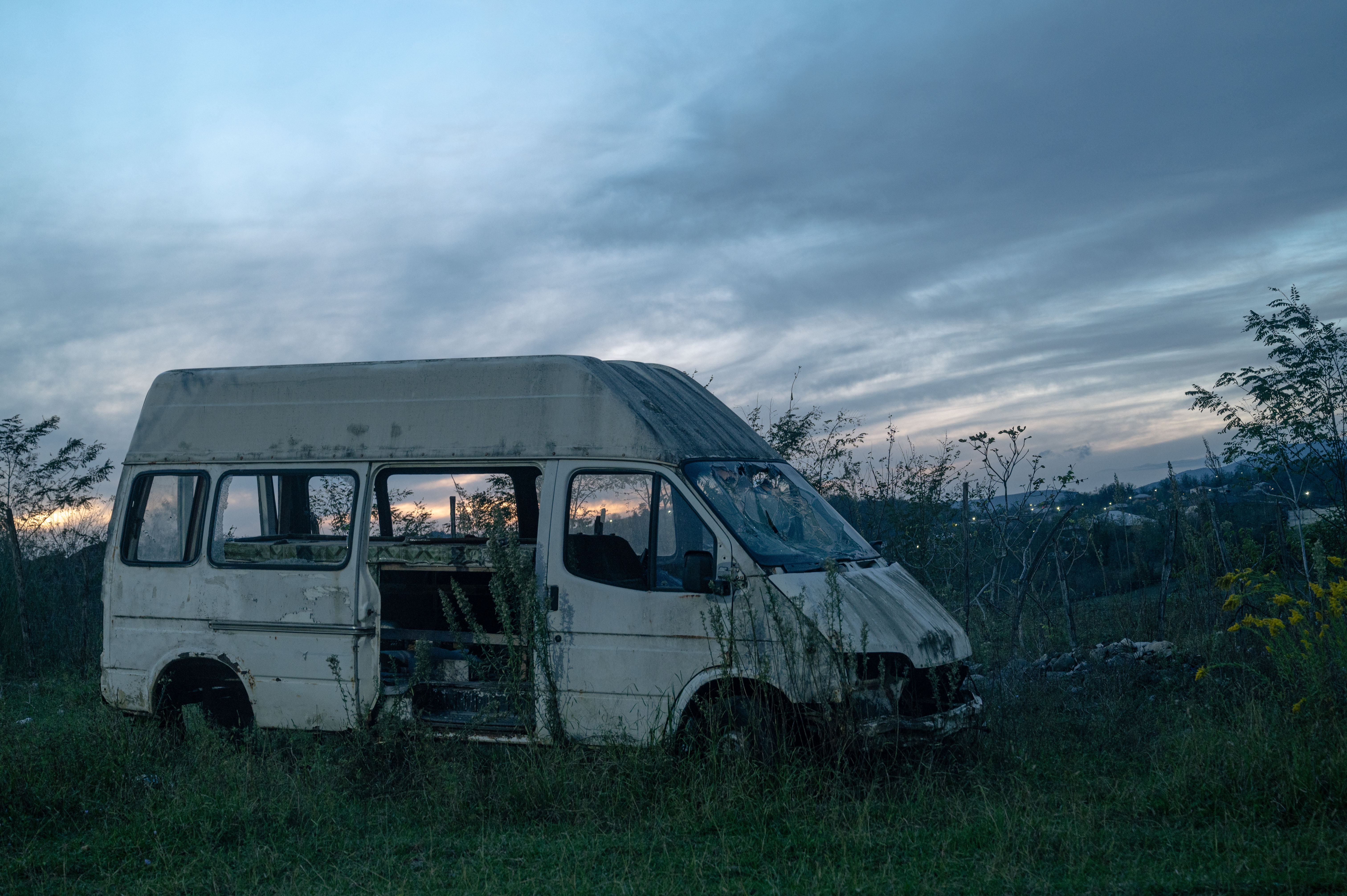
Now, much of that life has moved on. The silence of Sanatorium Imereti feels heavy, but it is not empty. In the graffiti scrawled by idle hands, in the overgrowth turning ruins into greenhouses, in the forgotten remnants of human habitation, there is a dialogue between what was, what is, and what could be.
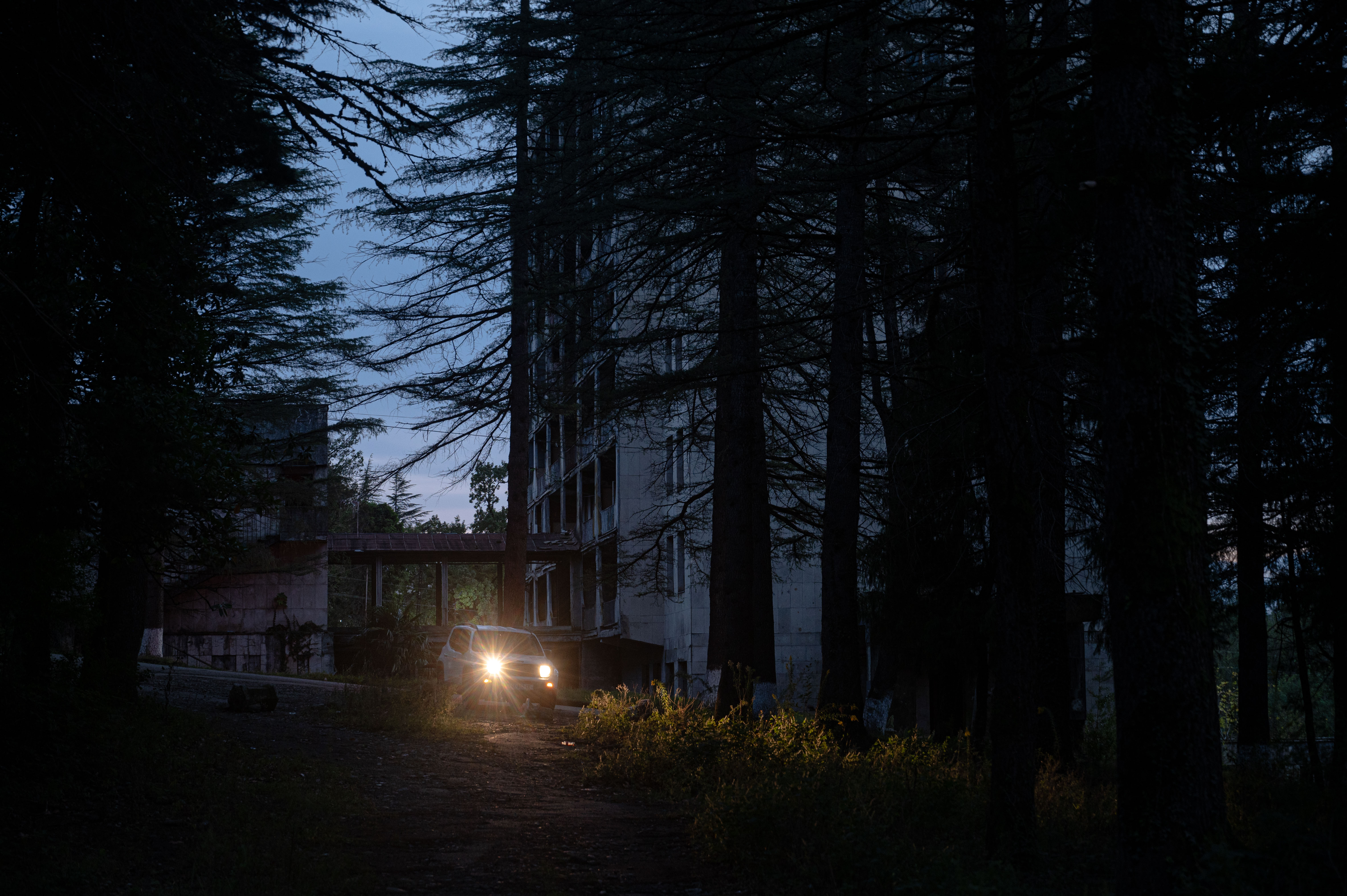
This photo series is my attempt to capture that dialogue—a conversation between decay and renewal, abandonment and memory, despair and hope. The juxtaposition of the crumbling Soviet architecture with the lush encroachment of nature creates scenes that feel both dreamlike and deeply real, a reminder of the resilience of life even in spaces defined by loss.
Where Ruins Bloom is not just about the grandeur that was or the loss that followed. It is about the moments in between—the places where history lingers, where ivy wraps itself tenderly around broken walls, where humanity leaves its fleeting marks on a space it has both claimed and abandoned. These images are my tribute to those moments, an ode to a place that continues to exist on the delicate cusp of past and present, decay and renewal, still finding ways to bloom.




 Dikshit Sharma